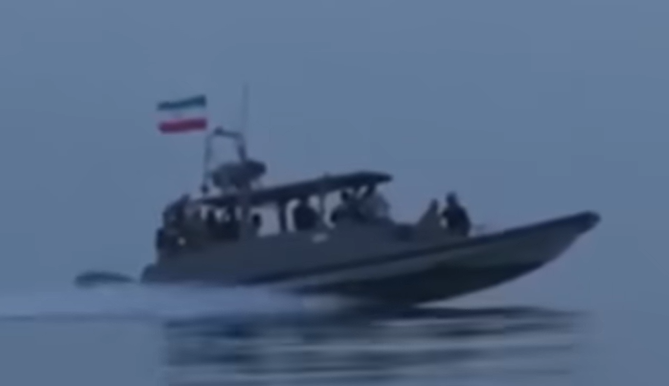
The mullahs in Tehran spent years thumbing their noses at the world, pumping cheap oil to China while American taxpayers footed the bill for the sanctions theater that never really bit. They funneled that money into nukes, missiles, and terror proxies that killed Americans and Israelis alike. Then Trump put the Navy to work and flipped the script. No more shadow fleet games. No more tankers sneaking through. Ports are locked down, and the oil lifeline that kept the regime breathing is choking off fast. This isn’t some slow-burn pressure campaign from the last crowd. It’s maximum pain, America First style, and the Iranian economy is feeling every ounce of it.
The Oil Grift That Kept the Mullahs in Business
Iran’s entire racket hinged on one thing: selling roughly 1.5 million barrels of crude a day, most of it at fire-sale prices to Chinese buyers who didn’t care about sanctions or the blood on the money. China gobbled up 80 to 90 percent of those exports, often at eight to twelve dollars below market, giving Tehran a steady stream of hard currency even as the regime screamed about American aggression. That cash didn’t build schools or hospitals. It funded the Revolutionary Guard, Hezbollah, Hamas, and the sprint toward nuclear weapons. The shadow fleet of rusty tankers, ship-to-ship transfers, and fake flags kept the flow going for years while previous administrations talked tough and did little.
Now that pipeline is slammed shut. The US naval blockade of Iranian ports, enforced starting April 13, 2026, has turned away or intercepted dozens of vessels. Tankers that loaded at Kharg Island before the hammer dropped are being hunted down even in the Indian Ocean. No ships in, no ships out. The cheap oil that China relied on for over a million barrels daily is stuck at the dock, and the regime’s main revenue source has hit a wall.
Kharg Island: The Heart of the Operation Now Clogged With Its Own Oil
Kharg Island handles more than 90 percent of Iran’s crude exports. It’s the single choke point where the black gold gets loaded onto tankers and sent east. With the blockade in place, that terminal is turning into a very expensive parking lot. Storage tanks are filling fast. The regime has dragged an old VLCC tanker out of mothballs just to hold excess crude, but that’s a band-aid on a gunshot wound. US officials have been blunt: in a matter of days, Kharg’s s
Who’s going to last longer in the conflict you ask? America or Iran?
This isn’t complicated.
According to @miadmaleki Iran is dragging moribund tankers out of dry dock as makeshift storage for the oil they can’t sell due to the blockade. Their alternative is to cap their… https://t.co/j26DH9eSYW
— Victoria Coates (@VictoriaCoates) April 24, 2026
Storage will max out, forcing fragile Iranian oil wells to shut in. Analysts tracking the flows say production cuts could start in a couple of weeks, with full constraints biting within a month.
Those wells aren’t built for long-term shutdowns. Iran’s fields are aging and temperamental. Prolonged idling risks permanent damage—reservoir pressure drops, equipment corrodes, restarts become nightmares that cost billions and take months or years. The facilities themselves aren’t bombed yet, but the blockade is doing the job without firing a shot at the infrastructure. No exports means no cash, and no cash means the whole rotten system starts grinding to a halt.
The Money Problems That Were Already Terminal
Iran wasn’t exactly flush before the Navy showed up. The rial had already cratered, losing massive value in recent months. Inflation screamed past 50 percent last year and keeps climbing, with food prices exploding over 100 percent in some categories. The regime was scraping by on that discounted Chinese oil money, but even that wasn’t enough to cover payrolls, subsidies, or the cost of keeping the population from revolting. Foreign reserves were thin, the budget a mess, and every rial went straight to the military machine instead of the people.
The blockade accelerates the inevitable. Daily oil revenue losses are running north of a hundred million dollars. Without that inflow, the mullahs face a cash crunch that makes previous sanctions look like a slap on the wrist. They can burn through whatever reserves they have squirreled away, but those won’t last long when the wells start shutting and the black market for smuggled fuel dries up too. Proxies get hungry. The nuclear program stalls. The street gets restless.
“No one sails from the Strait of Hormuz to anywhere in the world without the permission of the United States Navy.”
Secretary of War Pete Hegseth sends a direct message to the Iranian regime, warning that the U.S. blockade on Iran is now global pic.twitter.com/EyFqSfFBCa
— Alex West (@west_alex1776) April 24, 2026
How Long Before the Whole Thing Collapses?
The clock is ticking in weeks, not years. Storage at Kharg hits the limit soon—possibly within days according to the latest read from the administration, or a couple of weeks by independent tanker trackers. Once production shuts in, the economic bleed becomes a hemorrhage. Full collapse of the regime isn’t an overnight event, but the foundation is cracking right now. Economists looking at the numbers see contraction accelerating, with the war and blockade pushing GDP down sharply this year. Inflation is already eating the middle class alive. Without oil money, paying the thugs who keep the population in line gets harder by the week.
The mullahs know it. They’ve tried every evasion trick in the book, but the Navy doesn’t negotiate with ghost tankers. This is what happens when America stops pretending sanctions mean something and starts enforcing them with steel. The regime that bragged about outlasting every president just ran into the one who means business.
Trump’s team didn’t inherit a stable Iran. They inherited a terror-sponsoring petrostate that got fat on Chinese handouts and American weakness. The blockade ends that game cold. Ports empty, oil piling up uselessly, wells heading for shutdown—the money problems that were always there just became impossible to ignore. The Iranian economy isn’t going to “adapt.” It’s going to break. And when it does, the world will be safer for it. This is how you win: cut off the cash, protect American interests, and let the bad guys choke on their own failed revolution. The mullahs’ days of funding chaos with other people’s oil are over.